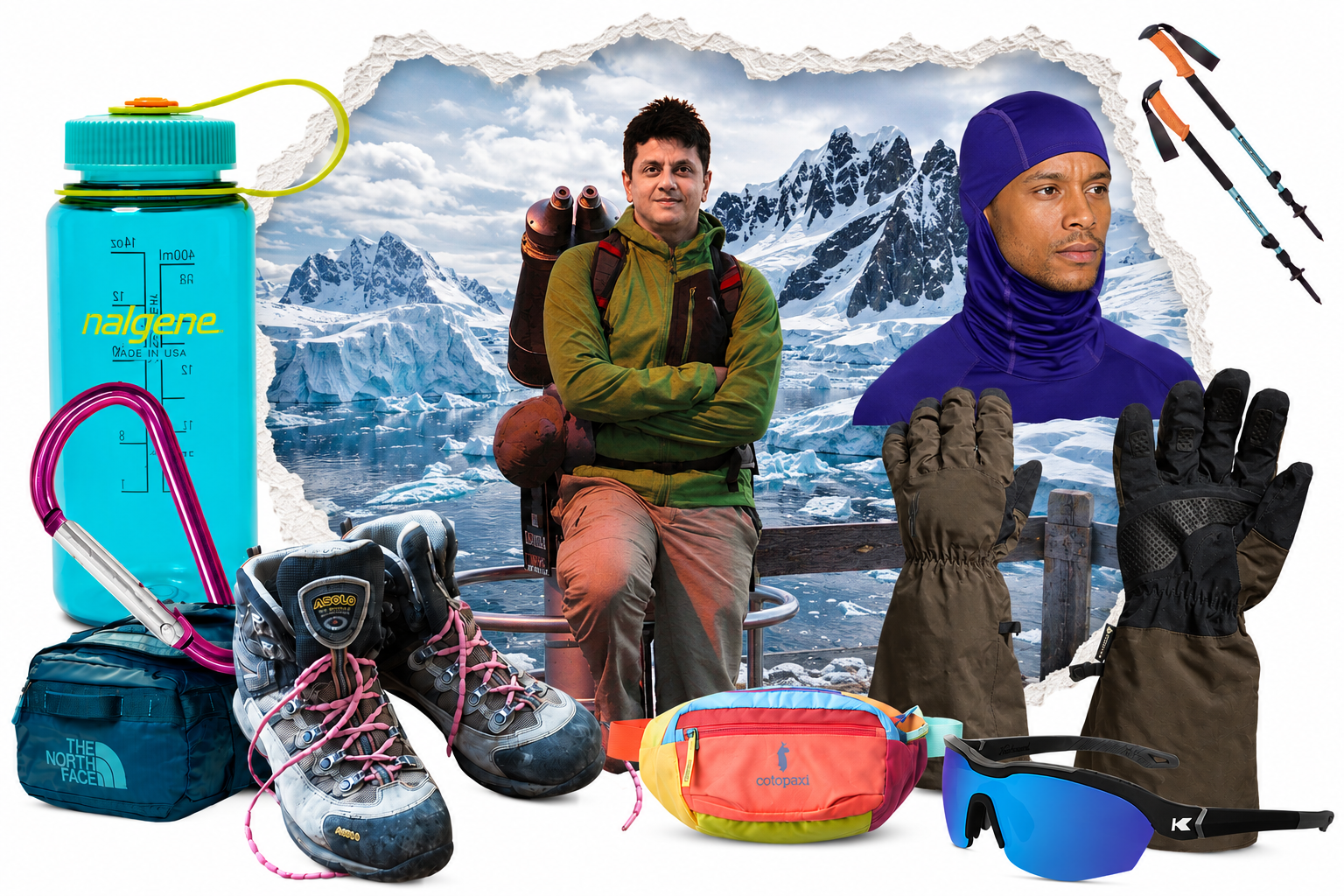
I crossed the Drake Passage on the Hurtigruten MS Fram with a duffel bag I thought was overpacked. It wasn't. Within the first hour on deck, I understood why every expedition company hands new travelers the same packing list, almost word for word: Antarctica doesn't leave room for guessing. The weather can swing from flat calm to gale-force in the time it takes to eat breakfast, and there is no gear shop on the seventh continent to bail you out if you left something at home.
The good news is that you don't need a mountaineering-grade kit to be comfortable. Most Antarctica cruises provide the heaviest, most specialized gear — insulated jackets, muck boots for landings, sometimes even a dry suit if you're kayaking. What you need to pack yourself is the layering system underneath it, plus a shortlist of items that make the difference between a miserable landing and a great one.
Quick Answer
For most Antarctica voyages, focus your packing on a warm base-to-shell layering system, a proper glove and headwear setup, polarized sunglasses, a seasickness plan for the Drake Passage, and dry bags for your electronics. Your expedition ship typically supplies the insulated jacket, waterproof outer shell, and rubber landing boots — check your specific cruise line's gear list before you buy anything expensive.
The Antarctica Packing List, at a Glance
6 Essentials
Insulated waterproof jacket
3-piece glove set
Balaclava / neck gaiter
Polarized sunglasses
Dry bag set
Layering
1. A Real Layering System
Four layers, not one heavy coat
Antarctica isn't a "throw on the warmest coat you own" destination. Temperatures during the November–March travel season typically sit between 20°F and 40°F (-6°C to 4°C) on the Peninsula, but wind chill and wet spray change that fast. Layering lets you adjust as conditions shift from a sunny Zodiac cruise to a whiteout in the same afternoon.
- Base layer: A snug-fitting merino wool or synthetic thermal top and bottom worn against your skin. Skip cotton — it holds moisture and stops insulating the moment it gets damp.
- Mid layer: A fleece or lightweight down layer that traps heat without adding bulk. Pack two or three so you can rotate while others dry out.
- Insulating layer: A packable down or synthetic-fill jacket for extra warmth on deck or during colder landings.
- Outer shell: Wind and waterproof, not just water-resistant. Many ships loan you this jacket for the voyage — confirm with your cruise line before buying one.
Pack enough of each layer to go several days without laundry. Most ships offer a paid laundry service, but the crossing itself eats two days of your trip, so plan to hand-wash smaller items in your cabin if needed.
Outerwear
2. Insulated Waterproof Outer Jacket
Check your booking before you buy one
Check your booking confirmation first. Most expedition operators — including the major polar lines sailing out of Ushuaia — provide either a loaner expedition jacket for the voyage or a jacket you keep as a souvenir. That single detail can save you from an unnecessary purchase.
- If your jacket is provided: bring a lightweight backup insulated layer in case the loaner doesn't fit well or gets soaked during a wet landing.
- If you're sourcing your own: look for a waterproof (not water-resistant) shell rated for sustained wind and spray, with a hood that fits over a hat.
- Color matters: bright colors make you easier to spot in photos and easier for guides to track on a landing site.
Outerwear
3. Wind and Waterproof Pants
The layer people forget most often
This is the layer people most often forget. A waterproof outer pant is required for Zodiac landings on nearly every itinerary, since spray off the water and wet snow on shore will soak through anything less.
- Waterproof, not water-resistant: look for a pant rated fully waterproof that fits comfortably over your fleece or thermal layers.
- Ski pants work fine: if you already own a pair, they'll do the job.
- Fleece-lined leggings: wear thermal bottoms underneath on the coldest landing days.
Headwear
4. Warm Hats, a Balaclava, and a Neck Gaiter
You lose the most heat here first
You lose a disproportionate amount of body heat through your head and neck, and the wind on deck during a Zodiac cruise is sharper than it looks in the photos.
- A warm beanie: for general wear on deck and during landings.
- A brimmed hat: for the calmer, sunnier days — snow glare is real, even in winter gear.
- A balaclava: covers your entire head, ears, and lower face in one piece. Worth the slightly odd look the first time you wear it.
- A neck gaiter or buff: doubles as a headband, sweat rag, or extra face protection when the wind picks up.
Hands
5. A Three-Piece Glove System
One pair will not get you through the trip
Cold hands ruin photos and patience in equal measure. A single pair of gloves will not get you through a two-week voyage comfortably.
| Lightweight liner | Worn alone on milder days or under other gloves; thin enough to still operate a camera |
| Insulated waterproof glove | Main glove for landings and Zodiac rides; look for a removable liner so it dries faster |
| Backup mittens | For anyone whose hands run cold; warmer than gloves, less dexterity |
Bring at least two pairs of your main glove. One will inevitably get wet on a landing, and there's no dryer on a Zodiac.
Footwear
6. Ship Shoes and Broken-In Boots
Your ship provides the landing boots
Nearly every expedition line provides insulated rubber boots for shore landings, and for good reason: to protect the fragile Antarctic ecosystem, shoes brought from home usually aren't allowed on the ice at all. What you still need to pack yourself:
- Comfortable, closed-toe ship shoes: for walking the decks and public areas. Choose something with real grip — decks get slick.
- A broken-in pair of boots: if your itinerary includes hiking in Ushuaia or nearby national parks before or after the crossing, waterproof boots with ankle support matter.
- Never brand new: break your boots in for several weeks before departure.
Sun Protection
7. Polarized Sunglasses and High-SPF Sunscreen
Snow glare is stronger than people expect
The sun reflecting off snow and ice at these latitudes is far more intense than most travelers expect, and the seasonal hole in the ozone layer over Antarctica adds to UV exposure during the November–March travel window.
- Polarized, UV-blocking sunglasses: wraparound styles cut down on glare from the sides.
- SPF 30+ sunscreen: bring a full, unopened tube — there's nowhere to buy more once you're on board.
- Lip balm with SPF: easy to forget, and lips burn just as fast as skin.
Health
8. A Seasickness Kit for the Drake Passage
Prepare for the Shake, hope for the Lake
I've written before about what it's actually like crossing the Drake Passage, and the short version is: prepare for the Shake, hope for the Lake. Most Antarctica itineraries cross this 600-mile stretch of open water twice — once down, once back — and it's typically 36 to 48 hours each way.
- Scopolamine patch: prescription only. Apply it 4–6 hours before sailing, per your doctor's guidance.
- Meclizine (Bonine/Antivert): an over-the-counter antihistamine option. Mild drowsiness is common.
- Acupressure wristbands: a non-pharmaceutical backup, best paired with medication rather than used alone.
- A midship, lower-deck cabin: if you can choose your cabin, this location feels the least motion.
There's no pharmacy once you're at sea, so sort this out with your doctor before you leave home rather than hoping for the best.
Protection
9. Dry Bags and a Waterproof Case for Electronics
The cheapest item on this list, the most consequential to forget
Zodiac landings mean spray, and spray means anything not protected will get wet. This is one of the cheapest items on this list and one of the most consequential to forget.
- A few dry bags in different sizes: for your daypack, camera gear, and spare layers.
- A small waterproof pouch: specifically for your phone, passport, and cash during landings.
- Packing cubes: not waterproofing per se, but they make it far easier to keep dry and wet gear separated in a shared cabin.
Optics
10. Binoculars, a Camera, and Extra Batteries
See the wildlife you came for
You're going to Antarctica to see wildlife and landscapes that don't exist anywhere else on Earth, and it's worth packing gear that lets you actually see and capture them.
- Binoculars: even a mid-range pair transforms distant penguin colonies and seal haul-outs from specks into detail.
- Camera with extra batteries and memory cards: cold drains batteries fast — keep spares in an inside jacket pocket where your body heat keeps them warmer.
- A smartphone works too: modern phone cameras handle most wildlife and landscape shots well if you don't want to carry a dedicated setup.
Antarctica Packing Checklist: Quick Reference
The details on this table vary by cruise line, so confirm the specifics against your own itinerary's packing document before you shop.
| Category | Bring Yourself | Usually Provided by Ship |
|---|
| Outer jacket | Backup insulated layer | Waterproof expedition jacket (loaner or gift) |
| Landing boots | — | Insulated rubber boots (required for shore landings) |
| Base & mid layers | Thermal base layers, fleece, packable down | — |
| Outer pants | Wind/waterproof pants | — |
| Gloves | Liner, insulated waterproof, backup mittens | — |
| Headwear | Beanie, balaclava, brimmed hat, neck gaiter | — |
| Sun protection | Polarized sunglasses, SPF 30+, lip balm | — |
| Seasickness | Medication or patches (prescribed before travel) | — |
| Electronics protection | Dry bags, waterproof pouch | — |
| Optics | Binoculars, camera, extra batteries | — |
| Documents | Passport, travel insurance, meds | — |
Frequently Asked Questions
Do I need to buy an expedition parka for Antarctica?
Often not. Many polar cruise lines provide either a loaner expedition jacket for the voyage or one you keep afterward. Check your specific booking confirmation before purchasing an expensive parka — you may only need a backup mid-layer.
Can I wear my own hiking boots on shore landings?
Usually no. To protect the Antarctic ecosystem from invasive species, most operators require guests to wear ship-provided insulated rubber boots for all landings, and personal footwear from home isn't permitted on the ice. Your own boots are still useful for hiking around Ushuaia before or after the cruise.
How cold does it actually get in Antarctica during the cruise season?
Antarctica cruises run November through March, the Southern Hemisphere summer, when Peninsula temperatures typically range from about 20°F to 40°F (-6°C to 4°C). Wind chill and wet spray from Zodiac landings can make it feel considerably colder, which is why layering matters more than any single heavy coat.
What's the most commonly forgotten packing item for Antarctica?
Waterproof outer pants. Travelers often pack a great jacket and forget that Zodiac landings soak you from the waist down just as easily as from above.
Do I need seasickness medication if I've never gotten seasick before?
Most expedition guides recommend bringing some form of seasickness preparation regardless of your history, given how rough the Drake Passage can get. Talk to your doctor about options like scopolamine patches or over-the-counter meclizine before you travel, since there's no pharmacy once you're at sea.
How many layers should I actually pack for a two-week Antarctica voyage?
A workable range is two base layers, three to four mid layers (fleece or light down), one insulating jacket, and one outer shell, supplemented by a laundry service or hand-washing partway through the trip. Bring enough that you're not relying on a single damp layer to stay warm.
A Note on Gear Lists
Every polar operator publishes its own detailed packing document once you're booked. Treat this guide as your starting point for what to shop for now, then cross-check against your specific ship's list closer to departure — inclusions like jackets, boots, and dry suits vary by line.
Antarctica rewards travelers who prepare well and doesn't forgive those who don't. We can help you choose the right ship, cabin, and itinerary, and make sure your packing list matches exactly what your specific voyage provides and requires.
Get in Touch