Penguins, seals, whales, seabirds and the tiny crustacean that feeds them all. Here's what lives in Antarctica, how to recognize it, and where you're most likely to see it.
By Amer Khan | 7 min read
What will you actually see in Antarctica? More than most people expect, and usually at closer range than anywhere else on earth. Animals here evolved with almost no land predators, so a gentoo penguin will often waddle past your boots as if you were a slightly inconvenient rock.
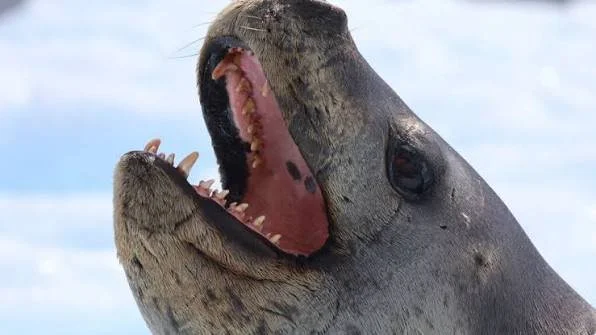
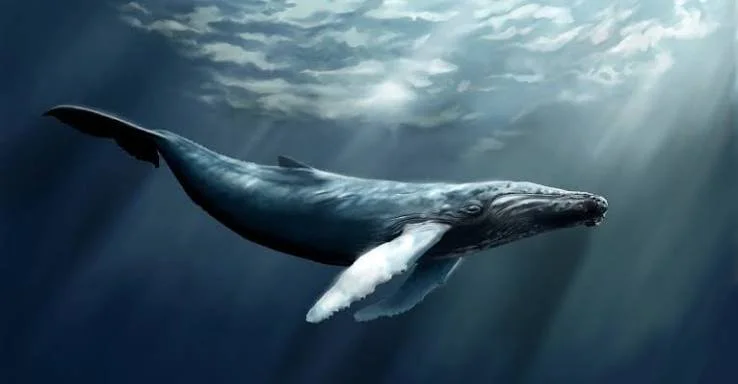
Nearly everything in this food web runs on one animal: Antarctic krill. Krill feed the penguins, the crabeater and fur seals, and the great whales. Leopard seals, in turn, patrol the edges of penguin colonies looking for a meal. Understanding those links makes a Zodiac cruise far more interesting, because you start to read the landscape. A pink stain on the snow means a penguin colony eating krill. A seal lounging on a floe near that colony may not be there by coincidence.
Timing matters too. Early season (November) brings courtship and pristine snow, midsummer (December–January) brings chicks and the longest days, and late season (February–March) is generally the best window for whales. The guides below cover each animal in depth: size, diet, behavior, and exactly where and when to see them.
Penguin
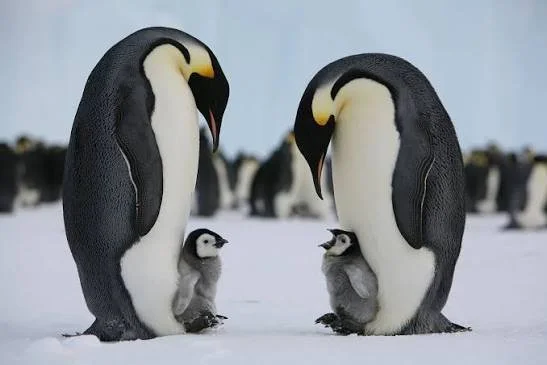
1. Emperor Penguin
Aptenodytes forsteri
The largest penguin alive and the only one that breeds through the Antarctic winter, huddled on the sea ice while the males balance an egg on their feet.
The emperor's smaller, more colorful cousin, gathering in colonies of 100,000+ on South Georgia beaches. Their fluffy brown chicks look like a different species entirely.
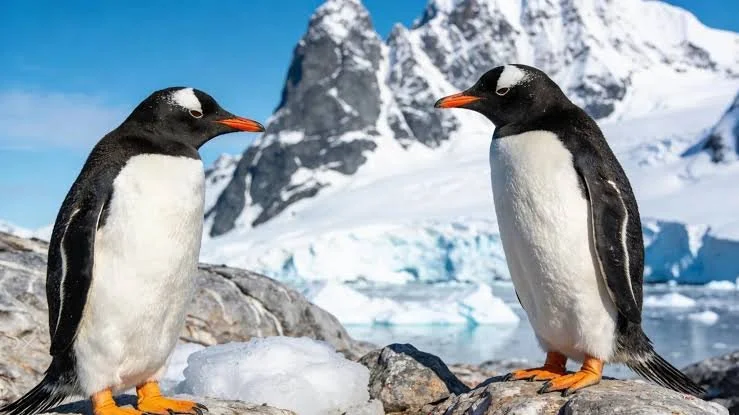
The orange-billed regular of Peninsula landings, the fastest swimmer of all penguins, and a determined pebble thief. Often the first penguin travelers meet.
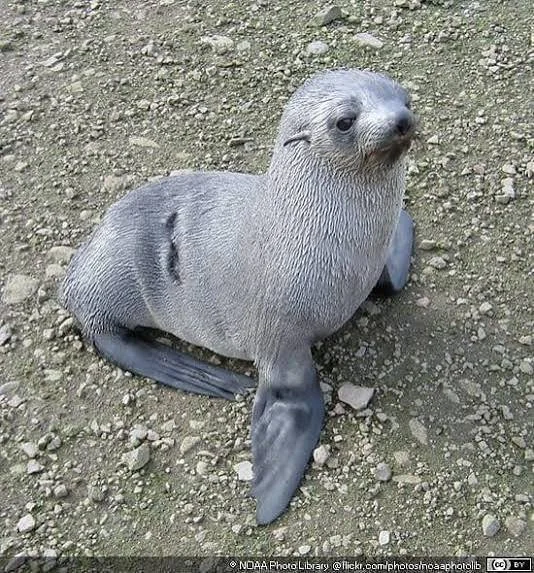
Hunted to near-extinction, now several million strong. The only eared seal in Antarctica, and the feisty one on South Georgia beaches that expects you to yield the path.
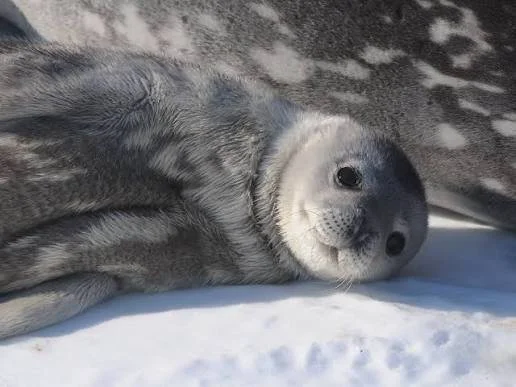
The world's southernmost mammal and the sleepy, spotted seal you'll often find napping on landing beaches. It dives deeper than 600 m and keeps its breathing holes open with its teeth.
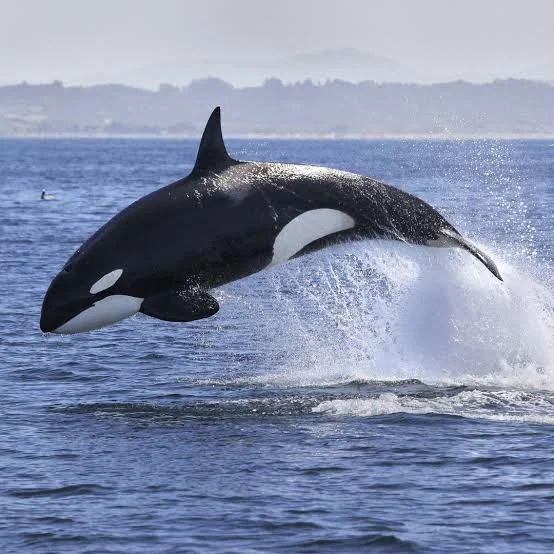
The ocean's top predator and the largest dolphin. Antarctica has several distinct types, from minke-whale hunters to pods that wash seals off ice floes with coordinated waves.
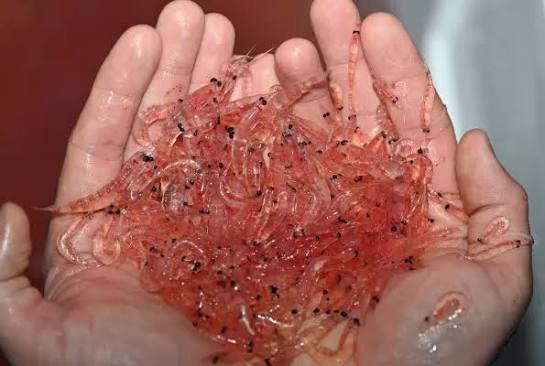
A shrimp-like animal the size of your little finger that holds up almost every whale, seal and penguin you'll see. You rarely see krill directly, but you'll see its effects everywhere.