Cold hands end Antarctica days early. Not because the air is brutal (on a summer Peninsula cruise it usually sits right around freezing) but because your hands get wet. Spray comes over the Zodiac bow. You grab a wet rope on the way out. You pull a glove off for a photo and put a damp hand back in. Wet plus wind is what makes fingers ache.
So the job is simple: a glove that stays dry, cuts the wind and still lets you hold a camera or a sailor's arm on the gangway. Your ship will usually lend you a parka and rubber boots. Gloves are on you.
Below are four gloves I'd be comfortable taking on a standard Antarctic Peninsula trip, from a tough waterproof work glove to a light pair for the deck. None of them costs more than about $35. If you're heading deeper south, to the Ross Sea, the Antarctic Circle in shoulder season, or anywhere near the Pole, read the layering section too.
Quick Answer
For most Peninsula cruises, get the Carhartt Waterproof Insulated Knit Cuff Glove. It has a waterproof insert, a grippy palm for Zodiac handholds and a clip that keeps the pair together, for about $35. Pack a thin liner glove underneath and a lighter pair like the ihuan for camera work on deck. If you run cold, swap the Carhartt for the KINGSBOM or TRENDOUX, both with 3M Thinsulate.
Antarctica Gloves, at a Glance
4 Picks · Tap to Shop
We may earn a commission on purchases made through these links, at no extra cost to you. Prices and ratings are from Amazon listings as of October 2026; check the current listing before you buy.
Best Overall
1. Carhartt Men's Waterproof Insulated Knit Cuff Glove
A work glove that happens to be ideal for Zodiac days
Carhartt designed this glove (model A511) for people shoveling slush and handling tools, not skiing. That turns out to be the right brief for Antarctica. A waterproof insert keeps spray out, synthetic insulation holds warmth, and a FastDry lining wicks sweat so your hands don't go clammy on an uphill walk to a penguin colony.
| Shell | Polyester and softshell, synthetic palm |
| Waterproofing | Waterproof insert |
| Lining | FastDry sweat-wicking |
| Cuff | Fleece knit cuff with adjustable wrist strap |
| Extras | Wrist clip to keep the pair together, nose wipe |
- Why it works here: the "digital-grip" palm and stick-grip fingers hold onto wet Zodiac handlines and the crew's forearm when you step off. The clip means you won't lose one glove over the side.
- The trade-off: the knit cuff sits under your jacket sleeve rather than over it, so a big wave can still find its way in. Carhartt doesn't publish a temperature rating. It's warm enough for the Peninsula in summer; it's not an expedition mitt.
- Sizing: listed in men's sizes. Women may want to size down one.
Warmest Pick
2. KINGSBOM -40°F Waterproof & Windproof Thermal Gloves
200 g of Thinsulate in a slim, unisex glove
Thinsulate is a synthetic insulation that stays warm when it's damp, which matters more in Antarctica than raw loft. KINGSBOM uses 200 grams of it, a weight you usually see in winter work and hunting gloves. The shell is listed as waterproof, snowproof and windproof, and the thumb and index finger work on a phone screen.
- Best for: people with poor circulation, and anyone spending long stretches on the open deck watching for whales.
- About that -40°F: treat it as marketing, not a lab rating. No budget glove keeps fingers comfortable at -40°F while you stand still. It is a properly warm glove for Peninsula conditions, though.
- Sizing: the brand says these run small with an athletic fit. Order one size up if you want room for a liner.
Gear is the easy part. The ship, route and month decide how cold it gets and how many landings you'll make. Tell us what you want to see and we'll send a sample itinerary.
Request My Itinerary
Most Features
3. TRENDOUX Winter Ski Snow Gloves
A ski glove with pockets, clips and a scraper
This is the most "ski glove" of the bunch. TRENDOUX layers 3M Thinsulate with fleece lining and a windproof back, and lists a waterproof rating of 4 or higher. The adjustable wrist cuff and hook-and-loop strap close tight over a base layer, which keeps snow and spray from sneaking in.
- Handy extras: a zippered pocket on the back (room for a lens cloth or hand warmer), an anti-loss buckle to clip the pair to your parka, a thumb wiper for wet lenses and goggles, and touchscreen fingertips.
- The trade-off: more layers means more bulk. Fine adjustments on a camera are harder than with the ihuan, so photographers may want to pair it with a liner they can work in.
- Heads up: it's listed as rated to -30°F. As with the KINGSBOM, read that as "very warm," not a guarantee.
Best for Photographers
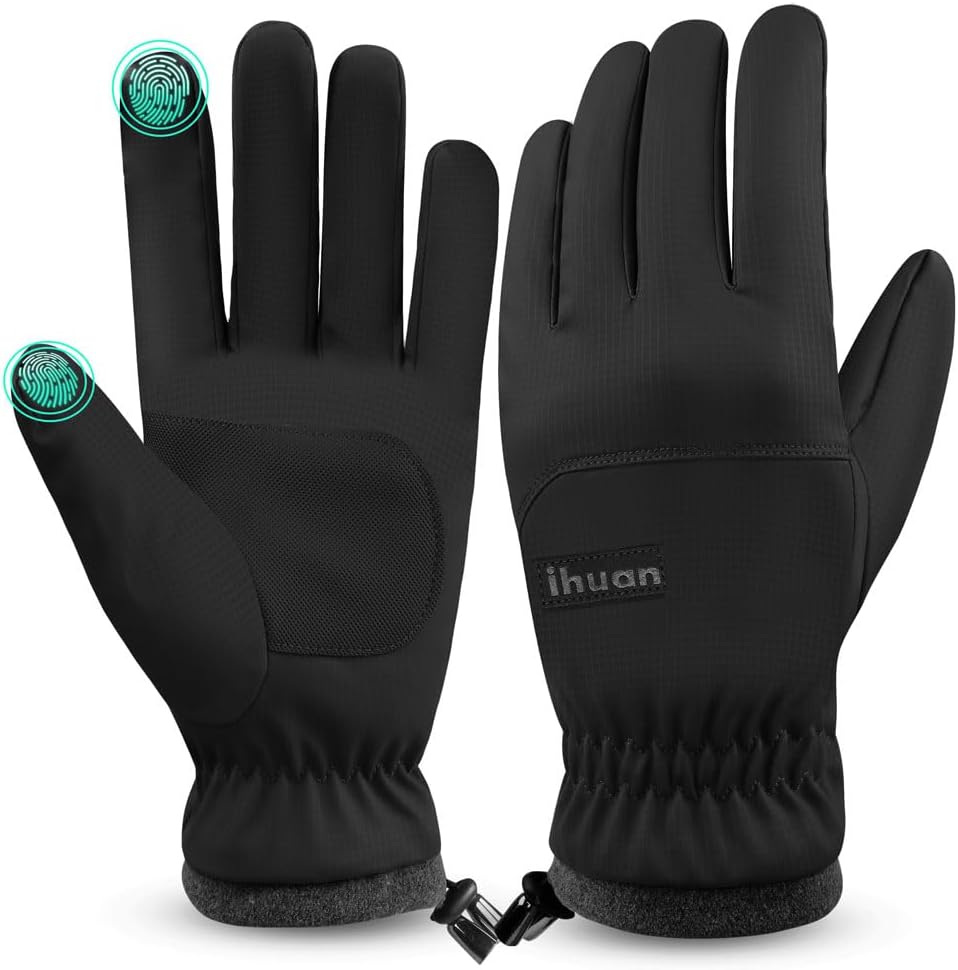
4. ihuan Winter Waterproof Gloves
Light, grippy and easy to work a camera in
The ihuan is the one I'd wear with a camera in hand. It's thin and flexible, with a fleece lining, a waterproof outer and a microfiber leather palm that grips a lens barrel. The touchscreen fingertips are some of the better-reviewed ones at this price.
- Be honest about its limits: ihuan itself rates it for 20–32°F (about -7 to 0°C) and says it isn't for extreme weather. That's close to a typical Peninsula summer day, but not a windy Zodiac ride or a late-season trip.
- Watch the cuff: the brand notes the stretchy wrist isn't waterproof. Keep it under your sleeve.
- Best for: deck time, ship-based whale watching, and as a second pair while your main gloves dry out in the cabin.
How To
5. How to Layer Gloves for Antarctica
Two pairs beat one big pair almost every time
Expedition guides almost always run a system rather than a single glove. It lets you adjust as the day changes, and it means one wet pair doesn't end your outing.
| Layer 1: Liner | Thin merino or synthetic liner. Stays on when you pull the outer glove off for a photo, so bare skin never touches cold metal. |
| Layer 2: Main glove | Waterproof, insulated glove like the Carhartt, KINGSBOM or TRENDOUX. This does the work on landings and Zodiac cruises. |
| Layer 3: Spare / deck pair | A lighter glove like the ihuan for deck time, and a dry backup while the main pair dries. |
| Optional: Mitts | Insulated mittens over a liner for the Ross Sea, emperor penguin trips, or anyone with Raynaud's. Mitts are warmer than gloves because your fingers share heat. |
- Fit with a liner: try your main glove on over the liner before you travel. Tight gloves are cold gloves, because they squeeze blood flow.
- Dry them every night: most cabins have a heater or drying rack. Open the cuffs and turn liners inside out. Don't put waterproof gloves on a hot radiator; heat can damage the membrane.
- Pack hand warmers: a few air-activated warmers weigh nothing and rescue a long, windy Zodiac cruise.
- Biosecurity: expedition staff check outer gear for seeds and dirt before landings. Hook-and-loop straps catch grit, so give them a quick clean before you leave home.
For the rest of your clothing, see our cold weather gear brands guide and best waterproof pants for Antarctica.
Antarctica Gloves: Quick Reference
Details are from Amazon listings as of October 2026. Ratings are the brands' own claims, not independent tests.
| Glove | Insulation | Waterproofing | Listed Rating | Approx. Price | Best For |
|---|
| Carhartt Waterproof Insulated | Synthetic | Waterproof insert | Not listed | $35 | Main glove for landings |
| KINGSBOM -40°F | 3M Thinsulate 200 g | Waterproof, windproof | -40°F (brand claim) | $26 | Cold hands, long deck watches |
| TRENDOUX Ski Glove | 3M Thinsulate + fleece | Waterproof, rated 4+ | -30°F (brand claim) | $33 | Wet Zodiac rides |
| ihuan Lightweight | Fleece lining | Water-resistant (cuff not waterproof) | 20–32°F | $20 | Photography, deck, spare |
Frequently Asked Questions
How cold will my hands get in Antarctica?
On a Peninsula cruise between November and March, air temperatures usually run from about -2°C to 5°C (28–41°F). Wind and wet spray make it feel much colder, especially on Zodiacs. See our Antarctica temperature guide for month-by-month numbers.
Do expedition ships provide gloves?
Usually not. Most ships provide or lend a parka and waterproof boots, but gloves, hats and base layers are on your packing list.
Gloves or mittens for Antarctica?
Gloves for most Peninsula trips, because you need your fingers for cameras, handholds and zips. Bring mittens as well if you're going to the Ross Sea, the Weddell Sea for emperor penguins, or if your hands run very cold.
How many pairs of gloves should I bring?
At least two: a waterproof insulated pair and a lighter pair, plus a set of thin liners. A spare means you always have a dry pair while the other dries in your cabin.
Are touchscreen gloves worth it?
Yes, if you shoot on your phone. Taking gloves off in the wind is how hands get cold fast. Just know touchscreen tips work less well when they're wet.
A Note on Ratings
Temperature ratings on budget gloves are set by the brands, not by independent testing, and they assume you're moving. Use them to compare gloves against each other, not as a promise. For the full list of what to bring, see our Antarctica packing guide.
We work with every major expedition operator, and those relationships often mean exclusive discounts and extras you won't find booking direct. Reach out and we'll plan an all-inclusive trip around your dates and budget.
Get in Touch

![Best Gloves for Antarctica [2026 Guide]](https://images.squarespace-cdn.com/content/6a519d9ba3829c1ca2663241/79fef834-cc3d-4ca2-9508-2f17a66bb0f0/Screenshot+2026-09-26+at+2.27.18%E2%80%AFPM.png?content-type=image%2Fpng)