
Crossing the Antarctic Circle: Is It Worth the Extra Days?
An Antarctic Circle trip adds a few days and a few thousand dollars to a classic cruise. Here's what you actually get for it, and when it's worth paying for.
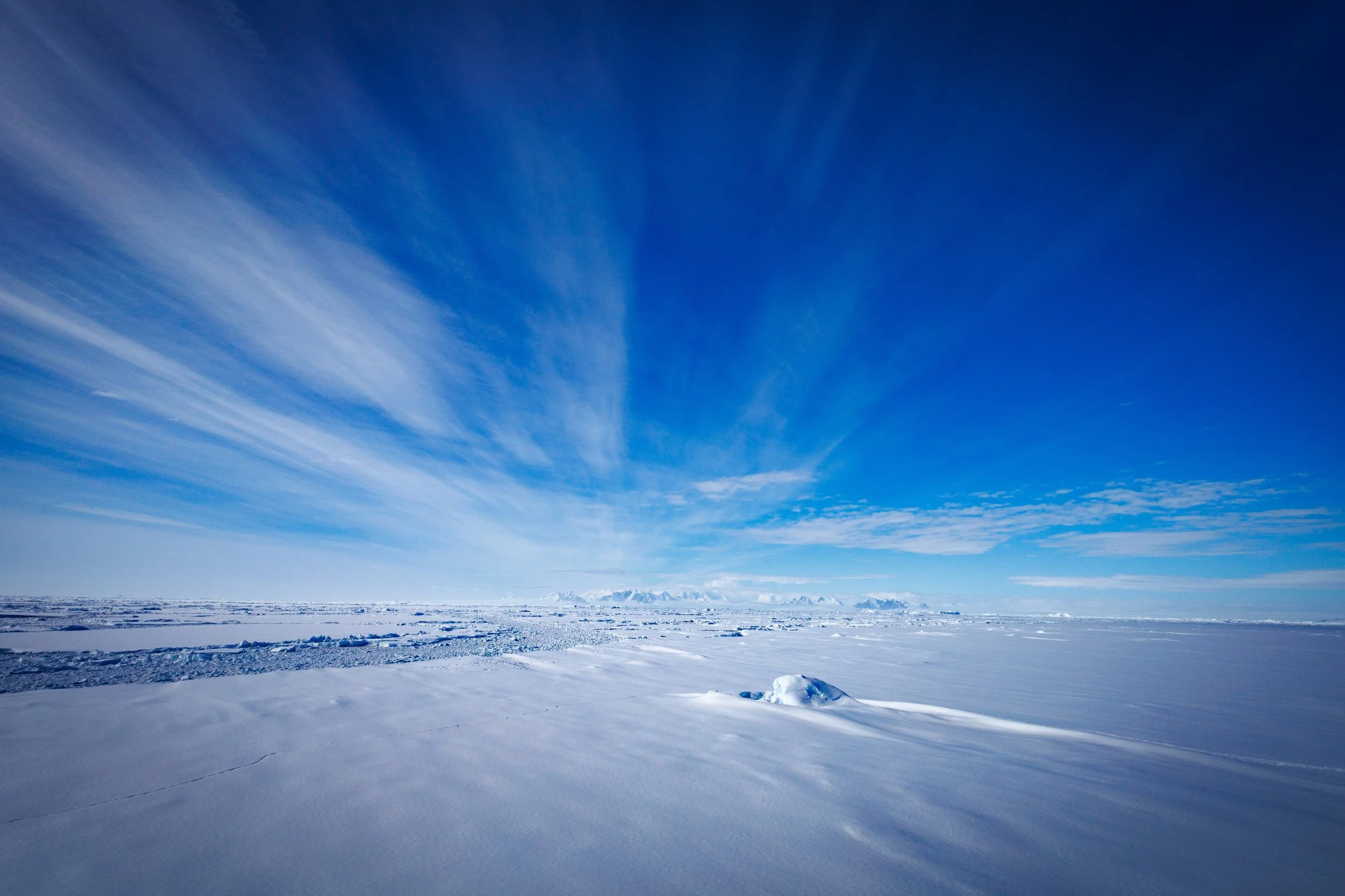
Crossing the Antarctic Circle has a certain ring to it. It's the kind of thing people mention at dinner parties for years afterward. But bragging rights alone don't justify an extra $3,000–$6,000 per person and three to five more days away from home.
So what's down there? In short: fewer ships, more sea ice, more Adélie penguins and a handful of remarkable historic huts that most visitors never see. This guide explains what the Circle is, how crossing works, what you'll see beyond it and the honest trade-offs, so you can decide if it's right for you.
Quick Answer
Crossing the Antarctic Circle is worth it if you want fewer crowds, more sea ice and Adélie penguins, and you have 13–16 days. It typically adds 3–5 days and $3,000–$6,000 per person to a classic trip, and the crossing isn't guaranteed if ice blocks the route.
| Latitude | About 66°33′ S |
| Typical trip length | 13–16 days from Ushuaia |
| Extra cost vs. classic trip | About $3,000–$6,000 per person |
| Best months | January to early March |
| Guaranteed? | No. Sea ice decides. |
1. What Is the Antarctic Circle?
The Antarctic Circle is the line of latitude at about 66°33′ south. South of it, there's at least one day a year when the sun never sets (around the December solstice) and at least one day when it never rises (around the June solstice). The farther south you go, the longer those periods last, until the South Pole gets six months of light and six of darkness.
The line isn't fixed. It shifts slightly over time as Earth's axial tilt wobbles, moving by roughly 15 meters a year. For travelers, though, it's a clear milestone: cross it and you're officially in the polar zone of the midnight sun.
2. How Crossing the Antarctic Circle Works
On the Antarctic Peninsula, ships usually cross the Circle in or near Crystal Sound, close to Adelaide Island. That's a day or two of sailing south of the classic cruising area around the Lemaire Channel and Petermann Island.
Most ships mark the moment. The captain sounds the horn, guests gather on deck and many companies hold a small ceremony, sometimes with a toast, sometimes with a bucket of icy water for the brave. Most hand out a certificate signed by the captain.
The crossing itself takes seconds. What matters is what lies on either side: a stretch of coast with fewer visitors, more ice and a different mix of wildlife.
3. What You'll See Below the Antarctic Circle
- More sea ice. Floes, pack ice and bigger icebergs, often with seals hauled out on top.
- Adélie penguins. The classic tuxedo penguin, which outnumbers gentoos the farther south you go.
- Detaille Island. An abandoned British hut from the 1950s, left almost as it was when its crew evacuated.
- Stonington Island. Home to US East Base (1940–41) and British Base E, two of the oldest bases in the region.
- Horseshoe Island. A beautifully preserved 1950s hut with supplies still on the shelves.
- Crystal Sound and Marguerite Bay. Wide waters full of ice, where orcas and minke whales hunt along the floe edges.
Down here you're also in the realm of crabeater seals, snow petrels and the occasional emperor penguin standing alone on an ice floe. Learn about the seals you might see in our guide to Antarctica's six seal species.
4. What Are the Odds of Actually Crossing?
No company can guarantee the crossing. Sea ice in Crystal Sound and around Adelaide Island varies hugely from year to year and even week to week. A route that's open one week can be choked with ice the next.
Timing improves your odds. Early-season departures in November are the most likely to be turned back, while trips from January to early March, when sea ice is at its minimum, have the best chance. Ships with higher ice-class ratings can push through looser ice that would stop others.
Before booking, ask the company how often that specific itinerary has crossed in recent seasons. If the crossing fails, you'll still have extra days in Antarctica, usually spent exploring other sites farther south than a classic trip reaches.
5. How Much Extra Does It Cost?
| Classic Peninsula | Antarctic Circle | |
|---|---|---|
| Length | 10–12 days | 13–16 days |
| Typical price per person | $8,000–$15,000 | $11,000–$25,000 |
| Landing days | About 4–6 | About 6–9 |
| Departures | Many | Fewer |
The extra cost covers more days at sea and more landing days, so the price per day is often similar. Antarctic Circle trips are also available as fly-cruises from Punta Arenas, which skip the Drake but cost more. For full budget numbers, see our all-inclusive Antarctica trip cost guide.
6. The Crossing Ceremony and Polar Traditions
Sailors have marked line crossings for centuries, from the equator to the polar circles. Antarctic Circle ceremonies vary by ship. Some keep it simple, with a horn blast and a toast on deck. Others bring out a costumed "King Neptune" or offer a dip of the hand in icy seawater.
Many companies give you a certificate with the date, the ship's name and the captain's signature. A few ships hold a polar plunge nearby, if conditions allow, so you can say you swam below the Circle.
7. Reasons to Cross the Antarctic Circle
- Fewer ships. Most traffic stays farther north, so you often have landing sites and bays to yourself.
- A wilder Antarctica. More sea ice, larger icebergs and a stronger sense of remoteness.
- Different wildlife. Adélies, crabeater seals on the ice and snow petrels.
- History. The huts at Detaille, Stonington and Horseshoe Islands are among the most atmospheric in Antarctica.
- More landing days. The extra days usually mean more time in Antarctica, not just at sea.
- The milestone. A crossing ceremony, a certificate and a story to tell.
8. The Trade-Offs
- Cost: typically $3,000–$6,000 more per person.
- Time: 3–5 more days away from home.
- No guarantee: ice can stop the crossing.
- More sailing: some of the extra days are spent getting south and back.
- Fewer departures: less choice of ships and dates, and popular sailings sell out early.
For first-time visitors on a tighter budget, a classic Peninsula trip already delivers the essential Antarctica: penguins, glaciers, whales and landings on the continent. The Circle is an upgrade, not a necessity.
9. Who Should Cross the Antarctic Circle?
It's worth it if: you have two weeks or more, you've been to Antarctica before, you love sea ice and remote places, you want to see Adélie penguins in big numbers, or you're fascinated by polar history.
Skip it if: you're short on time, budget is tight, you're mainly after penguin variety (South Georgia offers more), or you'd be disappointed if ice stopped the crossing.
Still deciding how long a trip you need? Read how many days you need for Antarctica.
10. Antarctic Circle vs. South Georgia: Which Upgrade?
If you have extra time and budget, the Antarctic Circle isn't the only upgrade on offer. The other big option is adding South Georgia and the Falkland Islands, which turns a 10–12 day trip into an 18–23 day voyage.
The two upgrades deliver very different things. The Circle adds remoteness, ice and Adélie penguins, with only 3–5 extra days. South Georgia adds an explosion of wildlife, including huge king penguin colonies, elephant seals and albatrosses, plus Shackleton history, but needs roughly double the time and a bigger budget.
For travelers who love landscapes and solitude, the Circle usually wins. For wildlife lovers and photographers, South Georgia is hard to beat. Some long voyages combine both, though departures are rare.
11. Can You Cross the Antarctic Circle on a Fly-Cruise?
Yes. A few fly-cruise itineraries fly from Punta Arenas to King George Island, then sail south to cross the Circle before flying back. They cut out both Drake Passage crossings, so you get more time down south in fewer total days, typically about 10–12.
The catch is price and availability. These trips are some of the most expensive per day in Antarctica, departures are limited, and flight delays caused by weather on King George Island can eat into your time. If seasickness is a big concern and you still want the Circle, though, they're worth a look. Here's what the Drake Passage is really like if you're weighing the two.
12. Best Time to Cross the Antarctic Circle
Aim for January to early March. By then, the sea ice has broken up enough for ships to reach Crystal Sound and beyond, daylight is long, and wildlife is active. February is often the sweet spot, with good ice conditions, penguin chicks and whales.
December crossings are possible in good ice years, but riskier. November departures rarely make it. See our best time to visit Antarctica guide for more on each month.
Antarctic Circle: Quick Decision Table
| If you… | Recommendation |
|---|---|
| Have 13+ days | Consider the Circle |
| Are on your first trip with a tight budget | Classic Peninsula |
| Love sea ice and remote places | Circle |
| Want king penguins | South Georgia instead |
| Want the best odds of crossing | Sail January–early March |
Antarctic Circle FAQs
How long does it take to reach the Antarctic Circle?
From the classic Peninsula cruising area, usually a day or two of sailing south, so most itineraries add 3–5 days in total.
Is it worth crossing the Antarctic Circle?
Yes, if you have 13–16 days and want fewer crowds, more sea ice and Adélie penguins. First-timers on a budget can skip it.
How much more does an Antarctic Circle cruise cost?
Typically $3,000–$6,000 more per person than a classic 10–12 day Peninsula trip.
Is crossing the Antarctic Circle guaranteed?
No. Sea ice can block the route, especially early in the season.
Where do ships cross the Antarctic Circle?
Usually in or near Crystal Sound, close to Adelaide Island on the Antarctic Peninsula.
Do you get a certificate for crossing the Antarctic Circle?
Many ships hold a crossing ceremony and give certificates, though it varies by company.
What latitude is the Antarctic Circle?
About 66°33′ S, shifting very slightly over time.