
Antarctica Month by Month: What to Expect From November to March
The Antarctic cruise season lasts about five months, and each one feels different. Here's what you'll see, how cold it gets and what you'll pay, month by month.
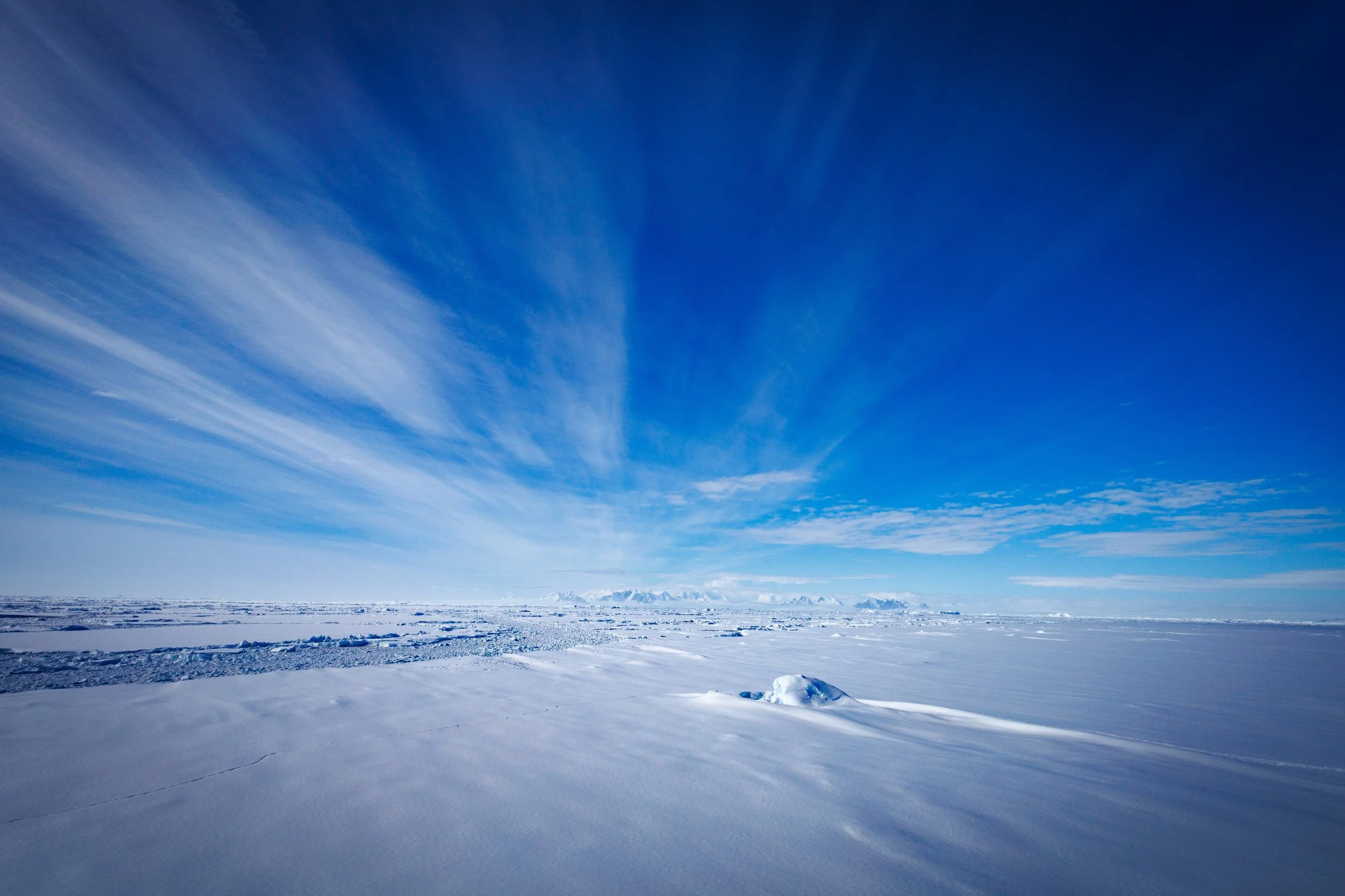
People often ask us for the best month to visit Antarctica, as if there's a single right answer. There isn't. A November trip and a March trip can feel like visits to two different places: one bright white and silent, with penguins building nests; the other full of fluffy chicks, feeding whales and long golden sunsets.
This guide walks through the season one month at a time: temperatures, daylight, wildlife, ice conditions and pricing. If you just want the short version of when to go, our best time to visit Antarctica guide sums it up. Here, we go deeper so you can match the month to what matters most to you.
Quick Answer
Antarctic cruises run from late October to March. November brings fresh snow and courting penguins, December–January the warmest weather and nearly 24-hour daylight, and February–March penguin chicks and the best whale watching. Early and late season are usually cheapest.
| Season | Late October to March |
| Warmest months | December and January (around −2 to 3°C on the Peninsula) |
| Most daylight | December (up to about 20 hours on the Peninsula) |
| Best for whales | February and March |
| Usually cheapest | November and March |
1. Why the Antarctic Season Is So Short
For most of the year, sea ice surrounds Antarctica and covers millions of square kilometers of ocean. In winter, the frozen area roughly doubles the size of the continent. Ships simply can't get through, and the sun barely rises over much of the continent.
From late October, the ice starts breaking up around the Antarctic Peninsula and the days lengthen fast. That opens a window of about five months when expedition ships can reach the coast. By late March, temperatures drop, storms become more common and the ice begins to return.
That short window explains a lot: why trips sell out early, why prices are high and why each month has a distinct personality. Wildlife works on the same tight schedule, cramming a whole year's breeding into a few warm months.
2. Antarctica in Late October
The season opener
| Temperature | Daylight | Wildlife highlights |
|---|---|---|
| −8 to −2°C (18–28°F) | About 15–17 hours | Penguins arriving at colonies, elephant seals on South Georgia |
Only a few ships sail this early, mostly to South Georgia and the Falklands, where elephant seal bulls are fighting for beaches and king penguins are courting. On the Peninsula, sea ice can still block some channels.
It's cold, wild and quiet. Snow covers everything, so the landscapes look untouched. Fares are often lower, and you may share landing sites with few or no other ships. The trade-off is less predictable weather and some sites being out of reach.
3. Antarctica in November
Pristine snow and courting penguins
| Temperature | Daylight | Wildlife highlights |
|---|---|---|
| −5 to 0°C (23–32°F) | About 17–20 hours | Penguins building nests and laying eggs, seals on ice floes |
November is a favorite with photographers. The snow is still clean and deep, icebergs are huge and fresh, and the light is soft for much of the day. Gentoo, Adélie and chinstrap penguins are busy courting, stealing pebbles from each other's nests and laying eggs.
It's also one of the best months to see seals resting on sea ice, including crabeaters and the occasional leopard seal. Emperor penguin trips to Snow Hill Island run in October and November, when the sea ice is still solid. Prices are usually lower than in December. The main downside: deeper snow can make walking harder, and ice can still close the southern channels.
4. Antarctica in December
Long days and holiday departures
| Temperature | Daylight | Wildlife highlights |
|---|---|---|
| −2 to 3°C (28–37°F) | Up to about 20 hours | Penguin eggs and first chicks, more whales arriving |
December brings the longest days of the year. Around the solstice, the sun barely sets on the Peninsula, and twilight fills the short night. Temperatures hover around freezing, which feels surprisingly mild when the sun is out and the wind is calm.
Penguins are sitting on eggs, and the first chicks hatch late in the month. Whales start arriving in greater numbers. Christmas and New Year departures are popular and the most expensive of the season, and they sell out first, often more than a year ahead. If you want a holiday trip, book early.
5. Antarctica in January
Peak season, peak warmth
| Temperature | Daylight | Wildlife highlights |
|---|---|---|
| −1 to 3°C (30–37°F) | About 18–19 hours | Penguin chicks everywhere, active whales, fur seals arriving |
January is high summer and the busiest month. It's usually the warmest, with the most stable weather of the season, and penguin colonies are at their liveliest as parents shuttle food to hungry chicks. Snow begins to melt, revealing rocks and moss (and plenty of penguin guano).
Antarctic Circle crossings become more reliable as the ice opens up farther south. On South Georgia, fur seal pups are born and the beaches get crowded. Prices stay high and the best cabins go early, but if you want the best all-round odds of good weather and active wildlife, January is a safe bet.
6. Antarctica in February
Whales and growing chicks
| Temperature | Daylight | Wildlife highlights |
|---|---|---|
| −2 to 2°C (28–36°F) | About 15–17 hours | Peak whale watching, fluffy penguin chicks, fur seals |
February is when whale watching really takes off. Humpbacks and minke whales feed heavily on krill, often in large numbers in bays like Wilhelmina Bay. Penguin chicks are big, fluffy and starting to explore, sometimes chasing their parents for food.
Daylight shortens, bringing real sunsets and sunrises back, which many photographers love. Ice is at its minimum, so ships can often push farther south. Prices start to ease late in the month. Colonies are messier and smellier than earlier in the season. Learn more in our humpback whale guide.
7. Antarctica in March
End of season value
| Temperature | Daylight | Wildlife highlights |
|---|---|---|
| −5 to 0°C (23–32°F) | About 12–14 hours | Whales at their peak, penguin chicks fledging, fur seals |
March closes the season. Whale sightings are often excellent, and penguin chicks are molting into their adult feathers, ready to head to sea. Fewer ships are around and fares are often discounted, making it one of the best-value months.
The trade-offs: shorter days, colder temperatures and a higher chance of rough weather on the Drake Passage. Some colonies start to empty out. If you're flexible, though, March can deliver a lot of Antarctica for a lower price. Here's when to book for the biggest discounts.
8. Crowds and Prices Through the Season
Antarctica never feels crowded the way a beach resort does, but traffic does change through the season. IAATO's scheduling system means only one ship visits a landing site at a time, so busier months mostly show up as less flexibility in where your ship can go, and more ships passing in the distance.
December and January are the busiest, with holiday departures and the most ships in the water. Prices peak in the same window, and the best cabins on popular ships often sell out more than a year ahead. November and March are quieter, with fewer ships and more discounts, especially in the last few sailings of the season.
A practical tip: if you want peak-season weather without peak prices, look at the first half of February. Ice conditions are good, wildlife is active, and fares often start to soften. If you're flexible on dates, our advisors can watch for offers across every company for your preferred window.
9. What Happens in Antarctica From April to September?
No tourist cruises run in the Antarctic winter. Sea ice surrounds the continent, temperatures on the Peninsula drop well below freezing, and the interior becomes one of the coldest places on Earth. Near the South Pole, the sun sets in March and doesn't rise again until September.
Only research station crews stay through winter, a few dozen people at some bases and around a thousand across the continent. Emperor penguins are the famous exception in the animal world: they breed on the sea ice in the middle of winter, with males balancing eggs on their feet in the dark.
Curious about winter conditions? Check our live Antarctica weather and temperatures to see what's happening right now.
10. How to Choose the Right Month
- For photography and pristine snow: November.
- For the warmest, most settled weather: late December to January.
- For penguin chicks: January and February.
- For whales: February and March.
- For the Antarctic Circle: January to early March.
- For the lowest prices: November and March.
- For emperor penguins: October to November on specialist trips.
Whatever month you pick, the cold is manageable with good layers. Our cold weather gear guide covers what to bring.
Antarctica Month-by-Month Summary
| Month | Best for | Price |
|---|---|---|
| Late Oct | South Georgia elephant seals, solitude | Lower |
| Nov | Snow, courting penguins, emperors | Lower |
| Dec | Longest days, holidays | Highest |
| Jan | Warmest weather, chicks | High |
| Feb | Whales, chicks, Antarctic Circle | Moderate |
| Mar | Whales, value | Lower |
Antarctica Month by Month FAQs
What is the best month to visit Antarctica?
It depends on your priorities: November for snow, December–January for warmth and long days, February–March for whales and penguin chicks.
What is the warmest month in Antarctica?
January is usually the warmest on the Antarctic Peninsula, with temperatures around −1 to 3°C (30–37°F).
Can you visit Antarctica in winter?
Not on a cruise. Sea ice blocks ships from about April to October, though specialist research and private flights operate in limited ways.
When is the cheapest time to go to Antarctica?
Early season (late October–November) and late season (March) usually have the lowest fares.
When can you see penguin chicks in Antarctica?
From late December through February, with the fluffiest chicks in January and February.
Is there 24-hour daylight in Antarctica?
Near the solstice in December, the Peninsula gets up to about 20 hours of daylight with bright twilight in between; south of the Antarctic Circle, the sun doesn't set at all around the solstice.